

Publications
Latest publications
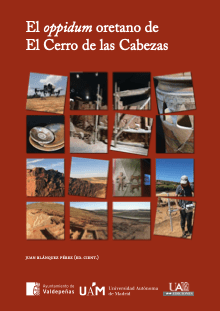
Asensio, M., Pol, E. & Rodríguez-Santana, C.G. (2024). Hacia una nueva pedagogía en la patrimonialización arqueológica: el valor de los “estudios de público”. In: Blánquez, J. & Reguero, J. del (Eds.) El oppidum oretano de “el cerro de las cabezas” (Valdepeñas, Ciudad Real). Un conjunto arqueológico de 33 años de investigación y patrimonialización. Valdepeñas: Ayuntamiento de Valdepeñas / UAM Ediciones. Chapter 0.5.1, pp. 237-255.
A reflection on visitor studies in the context of archaeological parks and museums, on the audiences of archaeology, and on its impact on the design and evaluation of public and educational programmes in such settings. Particularly applied to the Iberian site of Cerro de las Cabezas in Valdepeñas.
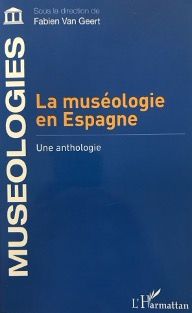
Asensio, M. and Pol, E. (2024). Objets inanimés par amour: de la conception architecturale à l’expérience muséale. In: Van Geert, F. (Ed.). La muséologie en Espagne: une anthologie. L’Harmattan. pp. 199-220.
“Museology in Spain: an anthology”, the selection edited by Fabien Van Geert and published in French, aims to bring together the most significant writings of Spanish museology.
Our chapter, “Inanimate objects, by love: from contemplation to understanding”, reflects on how the museum’s curatorial message is received by the visitor.
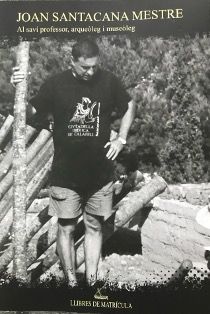
Asensio, M., Pol, E., Martín, J. & Britto, O. (2019). “Manrique Experience”: an extended-reality application for a contemporary art museum. In: Coma, L. & Martínez, T. (Eds.) Llibre homenatge a Joan Santacana Mestre, al savi professor, arqueòleg i museòleg. Calafell: Gráficas Raventós Suau, pp. 253-267.
A reflection on visitor studies in the context of archaeological parks and museums, on the audiences of archaeology, and on its impact on the design and evaluation of public and educational programmes in such settings. Particularly applied to the Iberian site of Cerro de las Cabezas in Valdepeñas.
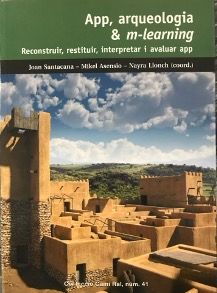
Asensio, M., Santacana, J. & Asenjo, E. (2018). Avaluació d’APP per a un patrimoni inclusiu. In: Santacana, J., Asensio, M. & Llonch, N. (Eds.) App, arqueologia & m-learning. Reconstruir, restituir, interpretar i avaluar app. Barcelona: Dalmau, pp. 119-155.
A reflection on visitor studies in the context of archaeological parks and museums, on the audiences of archaeology, and on its impact on the design and evaluation of public and educational programmes in such settings. Particularly applied to the Iberian site of Cerro de las Cabezas in Valdepeñas.
Asensio, M., Santacana, J., Castro, Y. & Martínez, T. (2018). A study of inclusion in museums and heritage: the Inventory of Qualities of Inclusive Museography (ICMI). In: Olcina, M.H., Espinosa, A., Soler, J.A., García, J. & Domínguez, A. (Eds.) Accessibility and Inclusion in Cultural and Natural Heritage Tourism. Alicante: Diputación de Alicante.
The chapter introduces the Inventory of Qualities of Inclusive Museography (ICMI). The exercise consists of an examination of museographic proposals using clicker techniques on a broad sample of young people and teenagers. The results show clear differences across groups, with some museographic dimensions perceived as inclusive while others are perceived as exclusionary.
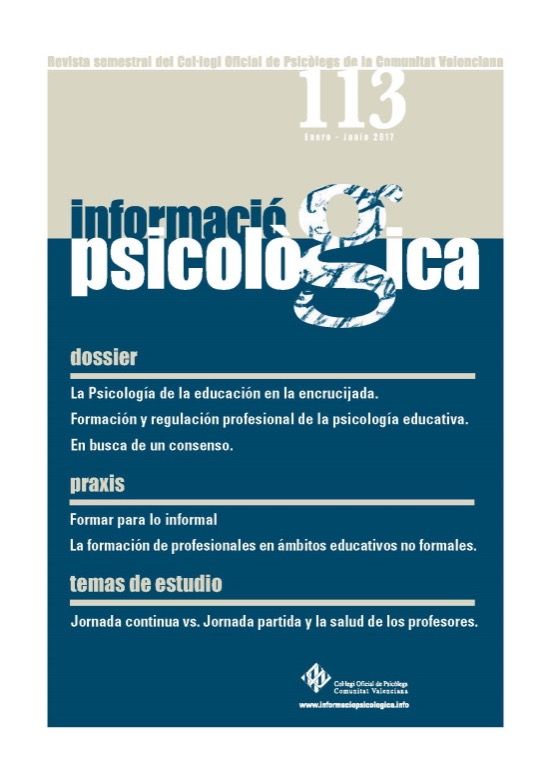
Asensio, M., Santacana, J. & Fontal, O. (2016). Inclusion in Heritage and Museums: “Beyond dignity and accessibility”. Hermus journal special issue, 17, pp. 39-56.
A fascinating dossier from this leading psychology journal, with major figures in educational psychology debating the future of education. Our contribution focused on the importance of informal learning and its weight in education for life as a whole.
The titles of the article and of its sections are all lines from the poet Miguel Hernández.
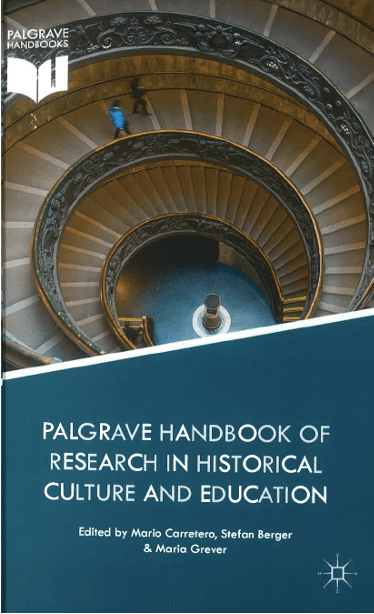
Asensio, M. & Pol, E. (2017). The Never-ending Story About Heritage and Museums: Four Discursive Models. In: Carretero, M., Berger, S. & Grever, M. (Eds.) Palgrave Handbook of Research in Historical Culture and Education. Chapter 39 (pp. 755-780). New York: Palgrave.
The book is a major work on the teaching of history. Our contribution is a modest reflection on the evolution of the kinds of generic historical discourse used in museum exhibitions — narratives that have moved from descriptive and positivist paradigms to rational-explanatory ones, then to narrative-personalist approaches, and on to committed participatory models more sensitive to cross-cutting issues.
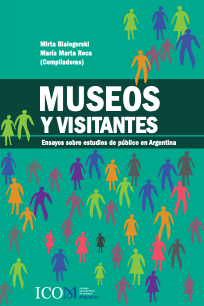
Asensio, M. (2017). Where are we heading? Visitor studies, a challenge for the future of museums. In: Bialogorski, M. & Reca, M.M. (Eds.) Museos y Visitantes. Ensayo sobre estudios de público en Argentina, pp. 13-25.
A review of visitor studies in Argentina, representative of the field across Ibero-America. Our prologue discusses the main current trends in visitor studies.
Pol, E. & Asensio, M. (2017). Gaudir, aprendre, valorar i participar en un museu social del coneixement: Avaluació de l’exposició permanent de CosmoCaixa. Obra Social La Caixa (Fundació La Caixa).
Report of a long, complex evaluation of the permanent gallery at CosmoCaixa Barcelona.
(*) view the publication (a Spanish version is also available on the CosmoCaixa website).
Asenjo, E., Asensio, M., Castro, Y., Pol, E., Reyes, M.M., Rodríguez, M., Rodríguez, C.G. & Sáenz, J.I. (2017). i-Lab: a deep-learning space for archaeology at the Cueva Pintada Museum and Archaeological Park. Arkeologi Museoa: Los Cuadernos del Arkeologi, 8, pp. 137-156.
A dossier produced from a previous symposium at the Archaeological Museum. This paper describes the creation of i-Lab, a Mobile Deep Learning programme and physical space set up at the Cueva Pintada Museum and Archaeological Park.
Asensio, M., Castro, Y., Asenjo, E. & Botella, J. (2017). Meta-analysis of T&T studies in museums and exhibitions. Arkeologi Museoa: Los Cuadernos del Arkeologi, 8, pp. 115-136.
A dossier produced from a previous symposium at the Archaeological Museum. This paper describes a meta-analysis study — the first one carried out in museology on visitor-use parameters of exhibitions and exhibition spaces. The study built on a body of earlier research collected by our team and on Beverly Serrell’s Paying Attention.
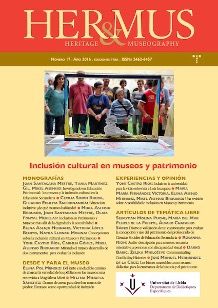
Asensio, M., Santacana, J. & Fontal, O. (2016). Inclusion in Heritage and Museums: “Beyond dignity and accessibility”. Hermus journal special issue, 17, pp. 39-56.
Special issue of Hermus journal on inclusion and accessibility in museums and exhibitions, prepared as a whole by our research team on the basis of one of the studies carried out within the Reçercaixa programme.
The other articles in the dossier are open access on the journal’s website.
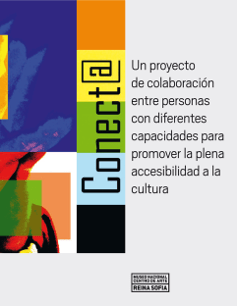
Asensio, M. & Martín, E. (2014). (Implicative) evaluation of (collaborative) programmes at the (participatory) museum: a case reflection on the Conect@ programme at MNCARS. In: González d’Ambrosio, S. (Ed.) Conect@. A collaborative project between people with different abilities to promote full accessibility to culture. Reina Sofía National Museum and Art Centre, pp. 175-197.
Conect@ was a pioneering education project on the inclusion of people with diverse abilities, run at the Reina Sofía Museum and Art Centre in Madrid.
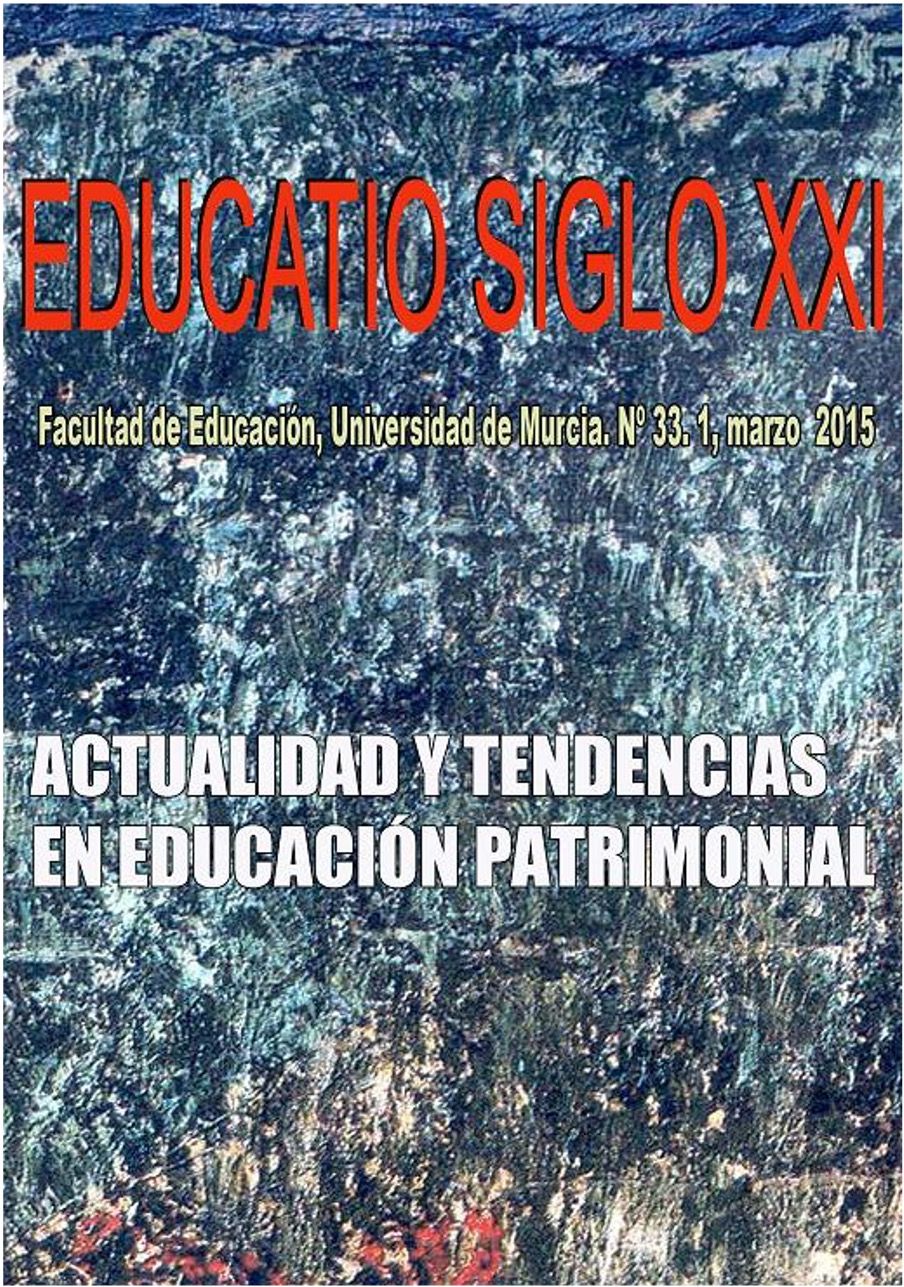
Asensio, M. (2015). Natural learning: the best route to engaging with heritage. Educatio Siglo XXI, 33(1), pp. 55-82.
“Natural Learning” is a reflection on informal learning, a literature review, and an analysis of trends and theoretical, practical and intervention implications in the school and the museum.
Mikel Asensio’s complete bibliography
This document gathers Mikel Asensio’s complete bibliography, organised by year. It also includes some key references from colleagues in the research team.
(*) ARTICLE REQUESTS
If you need a copy of any reference for teaching or research purposes, you can request it at the following emails, specifying the reason and your institution.